Wound care reimbursement depends on more than accurate codes. It also depends on whether clinical documentation supports those codes and tells a consistent, complete story about the care provided.
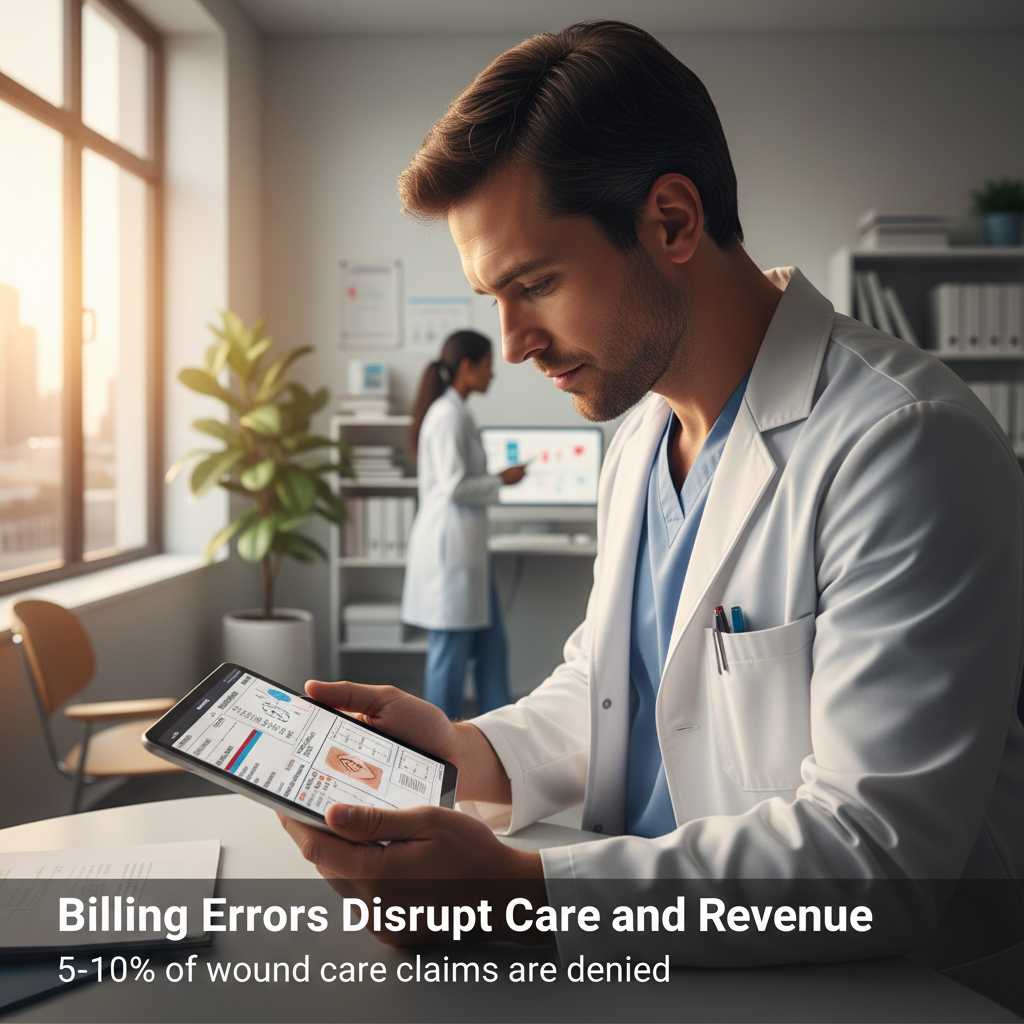
When documentation and coding do not align, claims may be denied, additional review may be required, and administrative work can increase. For wound care providers, accurate documentation is especially important because wound characteristics, treatment details, medical necessity, and the services performed all need to be clearly supported in the medical record.
This article explains why alignment between wound care documentation and coding matters, where misalignment commonly occurs, and how healthcare organizations can strengthen the connection between what is documented and what is billed.
What Does Alignment Mean in Wound Care Documentation and Coding?
Alignment means that the clinical record and the billing codes reflect the same clinical reality. Diagnosis codes should be supported by the documented wound characteristics and patient condition. Procedure codes should accurately describe the services that were performed and documented. The medical necessity for those services should also be evident in the clinical record.
When a coder reviews a chart, the documentation should provide enough information to support accurate code selection. When a payer reviews a claim, the medical record should demonstrate that the billed services were appropriate and supported by the patient’s condition.
Misalignment can occur when:
A wound is coded at a different severity than what is documented
A debridement is billed without sufficient documentation of the procedure performed
The diagnosis code does not match the condition described in the medical record
The frequency or intensity of treatment is not supported by documented clinical circumstances
These gaps can increase the risk of claim denials, rework, and compliance concerns.
Why Wound Care Documentation and Billing Require Precision
Wound care billing involves detailed documentation and coding requirements. Depending on the service and payer, providers may need to clearly document wound characteristics, treatment provided, medical necessity, and the patient’s response to care.
For procedures such as debridement, the documentation should support the specific service reported. The record should clearly describe what was performed and provide the clinical details necessary for accurate coding.
Accurate staging of pressure injuries is also important. For example, Stage 2 and Stage 3 pressure injuries have different clinical definitions. Documentation should accurately describe the wound so that the diagnosis code reflects the condition documented in the medical record.
Medical necessity is another important part of the reimbursement process. Payers need documentation that explains why a particular treatment was appropriate for the patient’s condition and why ongoing care is necessary.
When the clinical documentation does not support the service or diagnosis being billed, the claim may face additional scrutiny or denial.
Common Documentation Gaps That Lead to Coding Errors
Even experienced clinicians may document in ways that leave coders without the information they need. Common gaps include:
Incomplete Wound Descriptions
A note that simply says “wound to left heel” may not provide enough information to support accurate coding. Depending on the condition and service, documentation may need to address the wound type, location, measurements, depth, tissue characteristics, drainage, and surrounding skin.
Without sufficient detail, selecting an accurate diagnosis code or supporting a procedure can become difficult.
Vague Treatment Descriptions
When a procedure is performed, the documentation should clearly describe the service provided. A note that simply states “wound care performed” or “debridement done” may not provide enough information to support accurate coding.
The medical record should contain the relevant details of the procedure, including the type of service performed and other elements required to support the applicable code.
Missing Medical Necessity
If a patient receives ongoing wound care, the documentation should explain why continued treatment is necessary. Providers should document relevant clinical factors, the patient’s response to treatment, and the rationale for continuing the current plan of care.
Medical necessity should be supported by the clinical record rather than assumed.
Inconsistent Terminology
Using broad or interchangeable terms such as “ulcer,” “wound,” and “sore” without sufficient clinical specificity can create confusion.
Different types of ulcers may have different causes, clinical characteristics, and diagnosis codes. Documentation should use terminology that accurately describes the patient’s condition and supports appropriate coding.
Failure to Document Changes
If a wound worsens, improves, or remains stable, that information should be documented during follow-up visits when clinically relevant.
Changes in wound status can affect treatment decisions and help explain why care is being continued, modified, or discontinued. Without clear documentation of the patient’s progress, it may be more difficult to support the medical necessity of ongoing services.
How Misalignment Can Cause Claim Denials
Documentation and coding problems can contribute to several types of claim denials.
Medical Necessity Denials
A payer may determine that the documentation does not adequately support the treatment provided. This can happen when the clinical rationale is unclear, documentation is incomplete, or the record does not demonstrate why the service was appropriate for the patient’s condition.
Incorrect Coding
A procedure or diagnosis code may not match the service or condition documented in the medical record. When the code selected does not accurately reflect the documented care, the claim may be denied, corrected, or subjected to additional review.
Frequency-Related Denials
Some services are subject to payer-specific frequency or coverage requirements. When treatment is provided more frequently than expected, documentation should clearly support the clinical reason for the additional care when required.
Lack of Supporting Documentation
Certain services may require specific documentation elements to support the claim. Missing wound measurements, procedure details, assessment findings, or other relevant information can make it difficult to establish that the billed service was properly supported.
For these reasons, reviewing documentation and coding together can help organizations identify potential problems before claims are submitted.
Practical Steps to Improve Documentation and Coding Alignment
Improving alignment requires collaboration between clinical staff, coders, and billing teams. Several practical steps can help strengthen the process.
Use Structured Documentation Templates
Standardized documentation templates can prompt clinicians to capture important information consistently. Depending on the type of wound care provided, templates may include fields for wound location, size, depth, tissue characteristics, drainage, periwound condition, treatment provided, and response to treatment.
The goal is not simply to increase the amount of documentation. It is to make sure relevant information is captured clearly and consistently.
Train Clinical Staff on Documentation Requirements
Clinicians do not need to become coding experts, but they should understand what information is needed to support accurate coding and billing.
Regular education can help clinical staff recognize common documentation gaps and understand how the information they record affects the billing process.
Establish Communication Between Clinicians and Coders
Coders can often identify recurring documentation issues that make accurate code selection difficult. Creating a clear communication process allows coders to raise questions and helps clinical teams understand where documentation can be improved.
This collaboration can reduce unnecessary rework and help strengthen documentation over time.
Document Medical Necessity Clearly
Do not assume that medical necessity is obvious from the diagnosis alone. The clinical record should explain the reason for treatment and, when relevant, the factors that support the frequency, duration, or intensity of care.
Review Coding Before Submission
A quality assurance process can help compare the documentation against the codes selected before claims are submitted. This can help identify mismatches early and reduce avoidable claim rework.
Conduct Periodic Chart Audits
Internal chart reviews can help organizations identify recurring documentation and coding weaknesses. Reviewing a sample of records can also highlight opportunities for staff education, workflow improvements, and compliance monitoring.
Examples of Documentation and Coding Misalignment
Example 1: Debridement Documentation
Misaligned documentation:
“Debrided wound on right foot.”
A stronger record would provide relevant details about the wound, the procedure performed, and other information needed to support accurate coding.
For example:
“Selective debridement of diabetic ulcer, right plantar foot, removing devitalized tissue from a 6 cm² area using sharp dissection. Wound bed assessed following the procedure.”
The second example provides more specific information about the condition and procedure, making it easier to determine whether the documentation supports the service billed.
Example 2: Wound Depth and Staging
Misaligned documentation:
“Pressure sore on sacrum, dressing changed.”
A more complete assessment could document the stage, measurements, depth, tissue characteristics, and treatment provided when applicable.
For example:
“Stage 3 pressure injury on sacrum measuring 4 cm x 3 cm x 1.5 cm, with full-thickness tissue loss and visible subcutaneous tissue. No exposed muscle or bone. Wound cleansed and dressed according to the treatment plan.”
This type of documentation provides clinical detail that can support accurate diagnosis coding and demonstrate the care provided.
Example 3: Medical Necessity for Ongoing Care
Misaligned documentation:
“Patient seen for wound care, no change.”
A stronger note would explain the patient’s current condition and why treatment remains necessary.
For example:
“Patient with venous leg ulcer at the left medial ankle. Wound measurements remain unchanged from the previous visit despite continued compression therapy. Edema remains present. Continue the current wound care and compression plan based on the patient’s clinical condition.”
This provides context for the continued treatment plan rather than simply stating that there was no change.
The Compliance Perspective
Documentation and coding alignment is not only about reimbursement. It is also an important part of maintaining a compliant billing process.
Payers may review medical records to determine whether billed services were provided, properly coded, and supported by the documentation. If records consistently contain discrepancies between the services billed and the care documented, an organization may face additional review or requests for supporting information.
Strong documentation helps create a defensible connection between the patient’s condition, the services provided, and the codes submitted.
Building a Culture of Documentation Excellence
Alignment starts with organizational commitment. When clinical teams understand that documentation supports patient care, coding accuracy, reimbursement, and compliance, they are more likely to prioritize complete and consistent records.
Healthcare organizations can support better documentation by:
Providing ongoing education and resources
Establishing clear documentation expectations
Reviewing recurring documentation gaps
Creating communication channels between clinical and billing teams
Using appropriate templates and electronic health record tools
Conducting periodic documentation and coding reviews
Technology can also support consistency through structured templates, prompts, and other documentation tools. However, technology should support clinical judgment and accurate documentation rather than replace it.
Supporting Better Documentation and Coding Alignment
Wound care documentation and coding alignment is essential for accurate billing and a defensible claim. When the clinical record and billing codes tell the same story, healthcare organizations are better positioned to support the services they report and address payer questions when they arise.
Misalignment can lead to claim denials, additional administrative work, and compliance concerns. By using structured documentation, educating clinical staff, encouraging communication between clinical and billing teams, and regularly reviewing documentation and coding, organizations can identify potential issues before they become recurring problems.
For healthcare organizations experiencing recurring wound care billing or documentation challenges, an internal review can be a useful first step. Professional billing and compliance support can also help identify documentation gaps, strengthen workflows, and improve the connection between clinical documentation and accurate medical coding.